



Mighty Mentor
Empowering others through mentorship!

First and foremost,
thank you
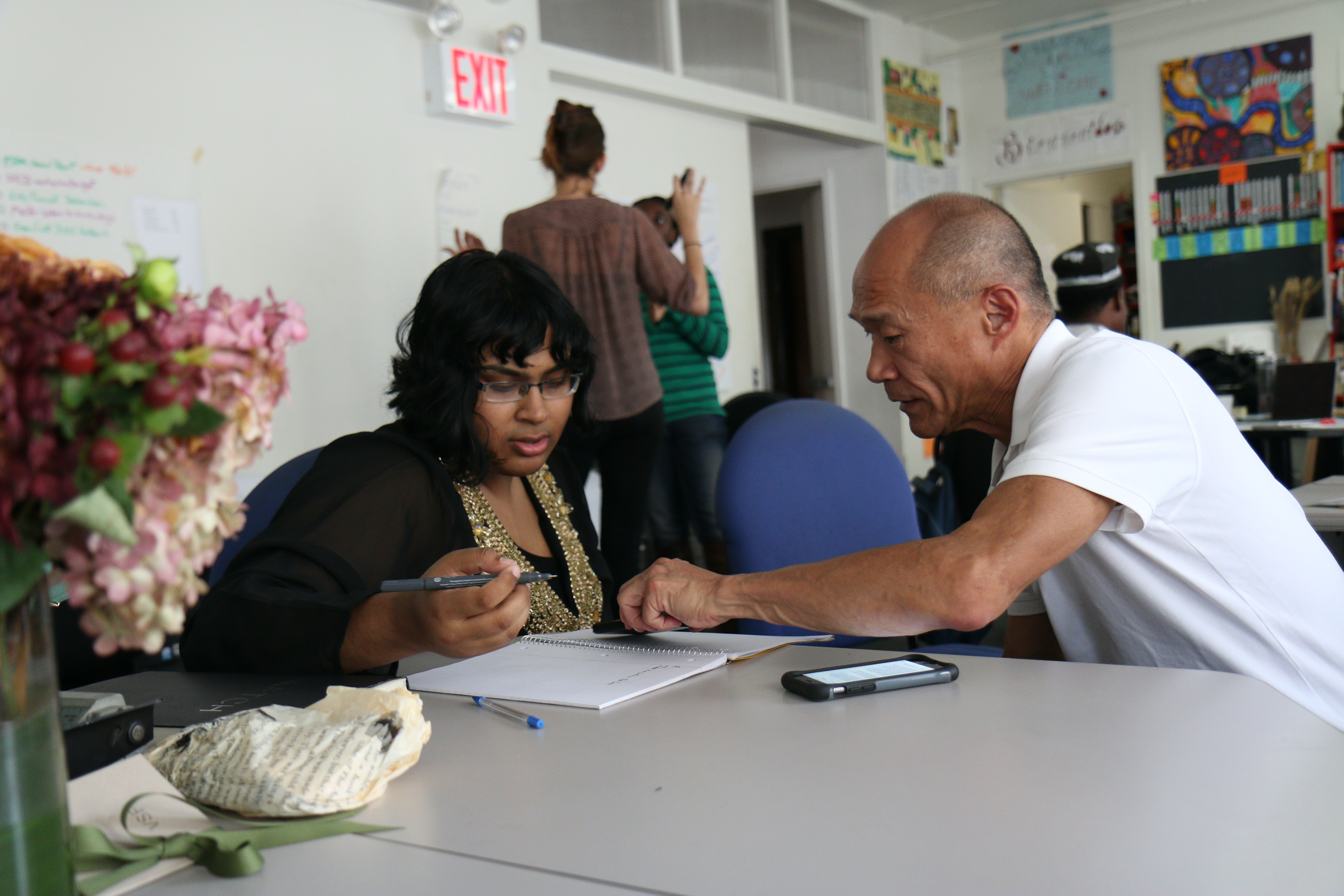
Thank you. Thank you. Your gift of time today will enable you to become an incredible mentor while learning about the organizations that empower others. Mentoring aims to connect experienced, knowledgeable individuals with people who haven’t yet gained the same knowledge or experience. Learn how to share advice, offer guidance, and be a sounding board for others, aiding their careers and lives and fostering continued growth and development.
.jpg)
The experience
Sometimes, knowing where to start or what questions to ask to become a mentor can be challenging! Throughout this workshop, we will learn about the incredible organizations working to increase diverse representation across industries, the important role mentoring plays in building a more diverse and inclusive world, and tips to become more impactful mentors. We will role-play scenarios and questions to prepare you for mentoring before providing all the details on your next steps to being matched as a mentor.
.jpg)
Instructions
Working together in pairs in your break-out rooms, find a scenario from the list below and practice what it is like to be both a mentor and a mentee!
First 2 minutes: Introduce yourself to your partner and roll the dice to pick a scenario!
Next 7 minutes: After picking a scenario, one person becomes the mentor and the other the mentee. During your "session," you may set "goals and actions" or overcome an obstacle the mentee faces. We encourage you to explore an issue and share your knowledge.
Final 1 minute: Review how the role-playing has worked, following the reflection questions below.
Then switch roles for the next 10-minute session.

Becoming the role
Each scenario has a section containing “Key Points.” These are considerations about the scenario – for example, why this situation has arisen in the mentoring partnership and suggested strategies to manage it (in addition to the questioning techniques).
1. Consider what you want to achieve through mentoring, whether you are the mentor or the mentee. What will you aim to achieve? What outcomes will indicate you have achieved this?
2. Begin to plan how to overcome challenges. What strategies will help you manage or avoid these challenges?
3. Although we are role-playing, creating a timeline to help your mentee succeed is a good idea. A timeline could look like milestones, progress indicators, action steps, and expected "completion dates" for achieving identified goals.
Handbook and Questions
Handbook
Please view the mentor handbook as a reference for becoming a better mentor throughout your mentoring journey!
Question Bank
You can choose from the following questions during the mentoring meetings.
1. What are your career aspirations?
2. What would you like to achieve in your job?
3. How important are your current goals?
4. What are your goals? What do you need to do to achieve these goals?
5. Is anything stopping you from achieving your goals?
6. What professional development would help you improve your skills?
7. Describe an important goal you achieved in the past and what you did to realize it.
8. What will help you achieve your goals?
9. How will you measure the achievement of your goals?
10. How would you describe your strengths?
11. What are you passionate about?
12. What opportunities are you seeking in your career/life? How can you create these opportunities?
13. What drives you?
14. How can you channel your energy into things that are important to you?
15. What will support you in making changes?
16. How do you measure your success?
17. What helps you make decisions?
18. What is the best decision you have made? What supported you in making this decision?
19. When are you most inspired/motivated/determined?
20. What two or three actions could you take now that would impact your skill development, knowledge acquisition, career enhancement, and job satisfaction?
You have recently been paired with a mentee who is often disengaged when your sessions commence. You struggle to communicate with the mentee, who often looks bored and answers your questions vaguely. You want to be able to support them, but first, you need to build a foundation for communication.
Key Points
- Has the mentee identified their goals and how they want to use the meeting time?
- The mentor may need to ask the mentee how they want to be supported.
Your mentee has indicated they don’t have any particular goals for their development. You know the mentee has been struggling with aspects of their job and is worried about current layoffs. However, you need the mentee to raise these issues before you can talk about how the mentoring can help them.
Key Points
- The mentor could initiate the [next] meeting by asking general questions about the mentee’s job role.
- The mentor doesn’t need to be in a rush to address the issues immediately. The mentee needs time to feel okay about sharing this information.
- The mentor could ask the mentee about their past work to lead into the current situation.
You have had an initial meeting with your mentee during which you both agreed on what support the mentee wanted. In the second meeting, the mentee started talking to you about the difficulties they were experiencing in their personal life and health. This is now the third meeting, and the mentee focuses solely on how negative they are feeling, stating they feel depressed and unable to cope with their workload. You listened, acknowledged their feelings, and sought ways to help.
Key Points
- The mentor needs to decide whether they can still provide mentoring support for the mentee or if they need to suggest that the mentee seek professional help.
- Has the mentee sought help for their depression?
- Does their manager know they are struggling with their workload?
You have met with your mentee twice, and each time, they appear apprehensive and unwilling to talk to you about their work and goals. When you ask how they think (your) mentoring can support them, they shrug and say they don’t know.
Key Points
- The mentor could ask general questions about the mentee’s job/situation. Remember that building rapport from the start of the mentoring relationship is critical.
- Ask the mentee why they are attending the mentoring meetings.
Your mentee has communicated that they struggle with the culture at work and often feel they don’t belong. They are often cut off in meetings and omitted from essential email threads. The mentee arrives at the meeting visibly upset.
Key Points
- The mentor-mentee relationship is one of high trust and rapport, allowing the mentee to vent their feelings and the mentor to listen.
- The mentor can focus on the positive aspect of the mentee’s skills and knowledge as evident in their portfolio and how to position themselves more confidently in their team.
Your mentee is enthusiastic about the mentoring meetings and seeking as much guidance as possible. They seem very committed to their work and want to do their best. Sometimes it is evident that the mentee over-commits and doesn’t always follow through with completing projects or tasks. They have canceled the last two meetings at short notice, citing other work commitments, and you are concerned that this is becoming a pattern.
Key Points
- Return to the agreement established at the beginning of the partnership and re-emphasize that the mentor can help the mentee if and when they attend the meetings.
- Does the mentee think or feel they do not need more mentoring support?
- Does the mentee need other support in their professional development that this mentor cannot provide?
- The mentor could try and arrange another meeting and raise the issue of the mentee canceling meetings because of work commitments. This could be an opportunity to explore time management strategies or discuss what is happening in their work setting.
It is your first meeting with your mentee, and you aim to help them identify and set goals for their professional development. The mentee has requested this as the focus of the meeting.
Key Points
- It may be necessary to explain to the mentee what mentoring is for. They may never have experienced mentoring support.
- This first meeting is an opportunity to agree on each partner's purpose, process, and commitment to ensuring the mentoring is successful and valuable.
- It is essential to establish that the mentoring support focuses on the mentee’s professional development.
- Work through the goal-setting process and formulate your questions aligned to each step.
You have been matched with a new mentee who has admitted they are a little anxious about “the whole mentoring thing” and act cautiously when you engage them about their work and professional development goals.
Key Points
- Has the mentee’s manager or supervisor explained why they receive mentoring support?
- Has the mentee engaged in/received mentoring in the past?
- It is fundamental for the mentor to clearly and carefully explain the purpose and process of the mentoring meetings and for both the mentee and mentor to agree on these.
- Starting each meeting with a general focus helps to build rapport and places realistic expectations on the mentee to engage in “self-focus” conversations (i.e., their goals, etc.) until they are ready to engage more fully.
Over the last three meetings, it has become apparent that your mentee is frustrated in their job role. They want to change but have been facing opposition from their manager. Their frustration affects them emotionally, as the mentoring conversations increasingly focus on their disempowerment and dissatisfaction with the organization.
Key Points
- The mentor must acknowledge the mentee’s frustration and highlight the positives, such as their skill and knowledge level.
- Explore the mentee’s perception of why their manager resists supporting them in developing professionally.
- The mentor needs to know what changes the mentee wants to make, how the mentee has attempted to create a job change, and how they have approached their manager about this.
Your mentee has a bad working relationship with one of their colleagues. They come to the mentoring meeting asking for advice on managing the situation. They are becoming increasingly apprehensive about working in the same office space with this person and dread coming to work.
Key Points
- The mentee could describe the characteristics of the “different” team member and why they find this person challenging – to provide a frame of reference for the mentor and the ensuing mentoring support focus.
- What is the mentee’s relationship like with other team members? Is there someone else on the team they can talk to as well?
- Spend time in mentoring meetings exploring and experimenting with strategies and skills of assertive communication and how to have courageous conversations.
- Has the mentee talked to their manager about this issue?
- Explore different techniques for managing challenging people.
Sometimes, the mentee relies on you too much, always asking for your advice and suggestions. When you try to encourage them to think about how they could manage their situation or identify areas for their professional development, they say they don’t know, which is why they are getting mentoring support from you.
Key Points
- This situation requires good skills and techniques from the mentor to demonstrate to the mentee that they can (and must) answer their own questions without relying on the mentor.
- The mentor could suggest what the mentee might do, then ask which option they would choose and follow through on.
- From the start of the partnership, the mentor needs to be clear that they are available to support the mentee based on what the mentee wants to achieve.
This is the first mentoring meeting with a new mentee you didn’t have the opportunity to meet earlier. You have clear ideas about the mentoring process and how to get the most value from the time available for yourself and the mentee. You do not know if your mentee is familiar with mentoring or if they have ever received mentoring support before.
Key Points
- The first meeting is the perfect time to establish the guidelines and purpose of the mentoring support and meetings. Use this meeting to identify the mentee’s goals, decide on the meeting structure (frequency, time, venue) and discuss how the mentor can support the mentee in achieving their goals.




Have questions about your experience?
We’re here to help!
Get in touch with us here or give us a call. Feel free to also chat with Kai and he’ll fetch a member of our team to help!
